The Advantages of Artificial Grass Installation: A Low-Maintenance Landscaping Solution
Installing synthetic turf serves as a smart solution for modern landscaping needs. It brings environmental perks by preserving water and stopping the application of harmful chemicals. Plus, its strength and eye-catching finish decrease care efforts and expenditures. Since outdoor spaces shift, the desirability of synthetic turf steadily to expand. However, learning its total scope of advantages is critical for making a well-informed choice. What specific perks might wow residents considering this choice?
The Green Rewards of Artificial Grass
While countless homeowners seek beautiful landscapes, the environmental benefits of artificial grass offer persuasive reasons for its placement. Artificial grass considerably decreases water consumption, an vital factor in regions vulnerable to drought. Traditional lawns require substantial irrigation, contributing to water scarcity; however, synthetic turf removes this need, conserving a critical resource.
Furthermore, artificial grass reduces the use of pesticides and fertilizers, which can harm local environments. By decreasing chemical drainage, it protects soil and waterways from pollution. Additionally, synthetic grass does not require mowing, which decreases air pollution and sound associated with lawn maintenance equipment.
Additionally, it provides a habitat for urban fauna, as certain types of artificial grass are developed to enhance biodiversity. As homeowners increasingly focus on sustainability, the environmental merits of artificial grass present a forward-thinking answer for building green spaces that reflect ecological values.
Save Hours and Budget With Artificial Grass
Artificial grass presents significant cost advantages by substantially cutting water usage and decreasing maintenance expenses. Homeowners can relish lush, green lawns without the constant maintenance tied to natural grass. As a consequence, both time and money are conserved, making artificial turf an desirable option.
Minimized Water Intake
Many property owners are finding out about the important advantages of decreased water consumption that result from putting in artificial grass. Unlike natural lawns, which require substantial irrigation to preserve their appearance, artificial grass stays vibrant without any additional water. This reduction in water consumption not only saves a crucial resource but also allows homeowners reduce their water bills considerably. In regions facing drought or water restrictions, artificial grass provides an eco-conscious alternative, ensuring that outdoor spaces stay lush and inviting without the need for constant watering. By selecting artificial grass, homeowners add to sustainable landscaping practices while enjoying a beautiful yard that requires minimal water, creating it a smart choice for those seeking to reduce their ecological footprint.
Reduce Maintenance Fees
Transforming a yard with artificial grass significantly lowers maintenance costs for homeowners. Traditional lawns need regular mowing, fertilizing, and pest control, all of which can be time-consuming and costly. In contrast, artificial grass removes the necessity of these services, resulting in significant savings over time. Homeowners no longer face the burden of maintaining equipment or hiring landscaping services. Additionally, there is no need for water, reducing utility bills even further. The longevity of artificial grass also means fewer renewals and repairs, improving its cost-effectiveness. With minimal upkeep required, homeowners can enjoy a pristine landscape without the continuous financial burden associated with natural grass maintenance. This makes artificial grass an attractive option for those seeking a cost-effective landscaping solution.
Why Lifelike Turf Seems Gorgeous in Your Yard
Artificial turf elevates a yard with its genuine-looking finish, closely imitating real grass. Its constant vivid appearance assures a lush, inviting landscape regardless of the season. This mix of aesthetic appeal and consistency makes artificial grass a standout choice for homeowners.
Natural Look and Texture
Although some may question the aesthetic quality of synthetic turf, its authentic look and texture often contradict such skepticism. Advanced technological developments have created synthetic turf that accurately mirrors the feel and appearance of natural grass. The precisely engineered fibers emulate the nuances of natural blades, delivering an authentic tactile and visual experience. This development allows homeowners to get a lush outdoor space without the drawbacks of regular grass, like browning or sparse patches. Moreover, the broad selection of texture choices offered assures that individuals can choose a grass that ideally matches their outdoor setting. Ultimately, the lifelike quality of artificial turf improves the beauty of your landscape, making it an attractive yard solution.
Year-Round Vivid Color
One of the notable features of artificial grass is its ability to preserve vibrant color throughout the year. Unlike natural grass, which can diminish or turn brown with changing seasons, synthetic grass remains verdant and green despite weather conditions. This consistency improves the overall aesthetic of any landscape, providing a welcoming environment for both homeowners and visitors. The cutting-edge methods used in crafting lifelike turf guarantees that colors are not only bright but also resistant to UV rays, preventing fading over time. Additionally, the consistent look of artificial grass eliminates patchy spots often seen in natural lawns, creating a refined look. As a result, homeowners can enjoy a attractive yard without the maintenance required for traditional grass.
Pet-Friendly Features of Artificial Grass
In what ways do animal owners guarantee their pets have a protected and well-maintained outdoor area? A reliable option is the installation of pet-friendly artificial grass. This synthetic turf provides a plush, cushioned surface that is comfortable for paws, making it ideal for pets to play and roam around. Unlike natural grass, artificial turf is resistant to muddy patches and unsightly wear, resulting in a tidy outdoor space.
Moreover, several types of artificial grass are engineered with drainage systems that permit urine and moisture to filter through, eliminating unpleasant odors and maintaining the area hygienic. The materials used in artificial grass are also non-toxic, offering peace of mind to pet owners concerned about their pets' health. Furthermore, its durability guarantees it can bear vigorous play, making it a long-lasting choice for families. As a result, pet-friendly artificial grass efficiently combines safety, comfort, and low maintenance for a harmonious outdoor experience.
Maintenance Simplified: Keeping Your Turf in Good shape
Tending to synthetic turf is uncomplicated, allowing pet owners to spend time delighting in their outdoor space with their furry companions. Unlike natural grass, artificial turf requires minimal maintenance needs. Regular brushing is essential to maintain its appearance, helping to fluff the filaments and keep them appearing new. Waste from animals can effortlessly be cleaned up; a simple flush with water is commonly sufficient. For stubborn stains or odors, a mild soap solution can be put to use.
Occasional rinsing is also constructive to dislodge dirt and debris. In addition, providing proper drainage is crucial to prevent any deposit of water or odors. During extreme weather, such as heavy snowfall, a light rake can help hold the surface clear. By observing these simple maintenance steps, artificial grass serves as an stunning and efficient supplement to any yard, making it an optimal choice for pet owners seeking a hassle-free outdoor experience.
Steps for Achieving a Smooth Artificial Grass Placement
Developing an artificial grass installation plan requires careful consideration to achieve a trouble-free process. To begin, site preparation that is thorough is necessary. This involves removing debris from the space, old turf, and plant growth, followed by evening out the surface to establish a reliable base. Then, a geotextile material should be laid down to prevent weed growth and boost drainage performance.
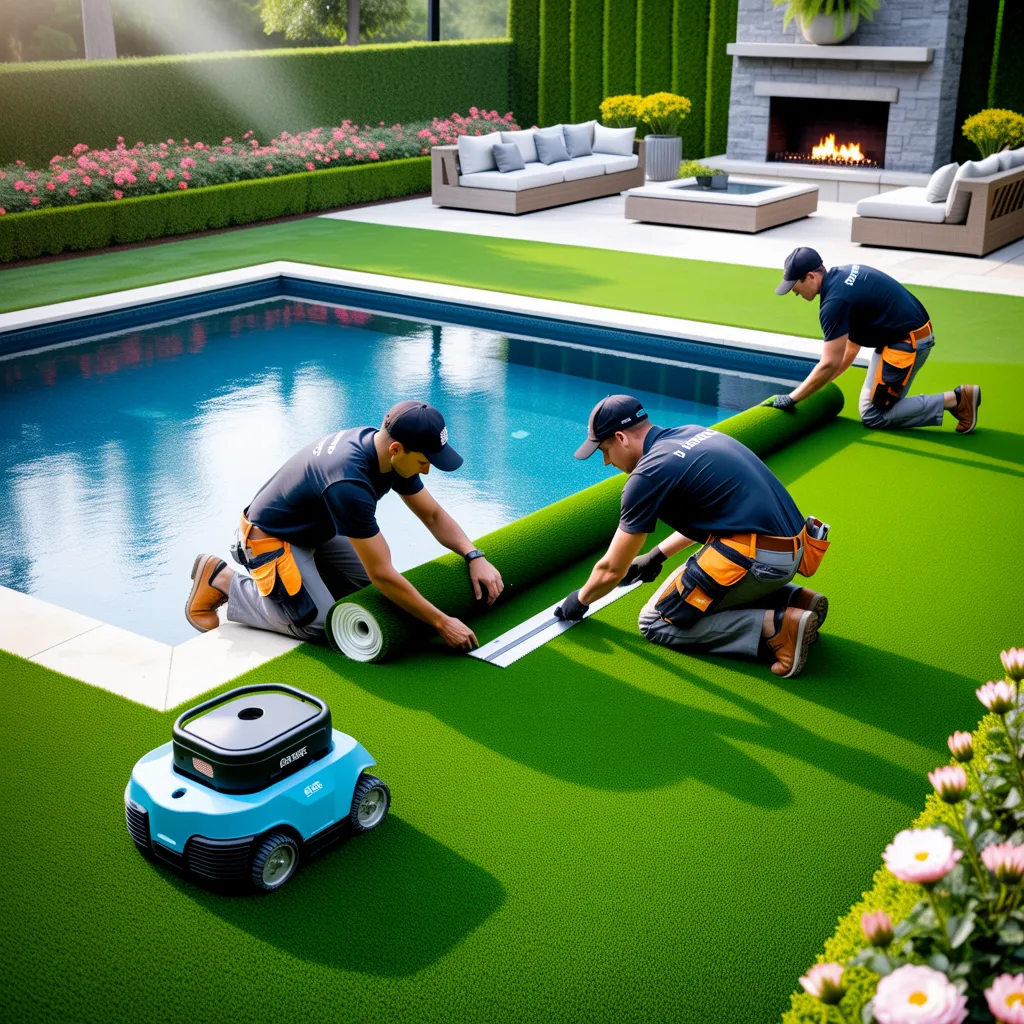
Once the base is prepared, the installer should install a amalgamation of crushed rock or decomposed granite to achieve the desired drainage and rigidity. After compacting this layer, the artificial grass rolls can be unrolled and cut to fit the designated area.
Fix the perimeters with landscape staples or adhesive, checking the seams are tightly joined for a authentic appearance. Finally, infill material such as silica sand or rubber granules must be added to enhance stability and mimic the feel of real grass. Correct installation guarantees longevity and best performance of the artificial turf.
How to Pick and Evaluate Artificial Grass Choices
Picking the right artificial grass involves evaluating various options to ensure compatibility for specific needs. Key factors to contemplate include pile height, which affects look and feel, and fiber type, with options ranging from polyethylene to nylon, each offering distinct durability and feel.
In addition, you ought to assess the density and weight of the grass, as these characteristics influence resilience under foot traffic. Color selections furthermore are essential, with possibilities obtainable from realistic greens to more intense shades, accommodating personal preferences.
It is paramount to contrast warranties and maintenance requirements provided by different manufacturers, validating sustained satisfaction and dependable performance. As a final point, seeking samples can help in evaluating texture and aesthetics firsthand, allowing for a more informed judgment. By carefully reflecting on these aspects, individuals can determine artificial grass that meets both practical and design criteria adeptly.
Frequently Asked Questions
Is Synthetic Grass Protected for Kids to Play On?
Artificial grass is usually safe for youngsters to play on, as it is engineered to be safe from toxins and free from harmful chemicals. Additionally, its soft surface minimizes the likelihood of injuries during playtime activities.
How Long Can You Anticipate Synthetic Turf to Endure?
Artificial grass generally lasts 15 to 25 years, based on factors such as quality, usage, and environmental conditions. Proper maintenance can prolong its lifespan, ensuring a durable and attractive surface for multiple uses.
Does Artificial Grass Increase Property Value?
Artificial grass can elevate property value by supplying a striking, simple-to-care-for substitute for natural lawns. Prospective buyers often like the reduced effort and reliable aesthetics, making properties with artificial grass more attractive in the market.
What Atmospheric Conditions Complement Artificial Grass Most?
Artificial grass does well in various climates, notably in regions with moderate temperatures and low rainfall. It performs well in zones with intense warmth, arid conditions, or inadequate water availability, delivering a resilient solution for diverse environmental conditions.
In What Ways Does Artificial Grass Influence Regional Wildlife?
Artificial grass may harm local fauna by decreasing native vegetation, restricting nutritional availability, and forming obstacles for small valuable resource animals. However, it may also offer a protected, hygienic space for pets and play areas.